

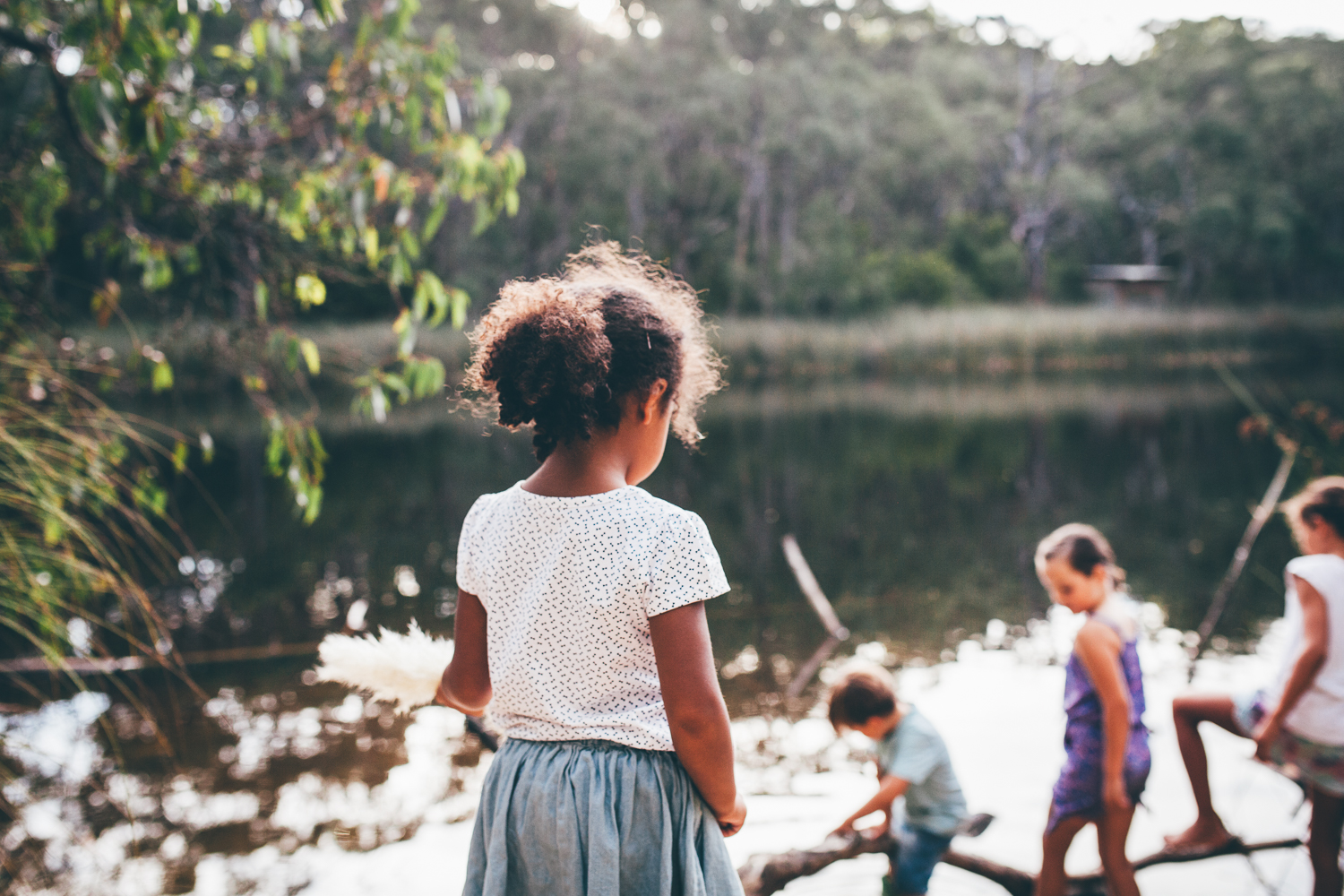
Caring for and supporting young people often means our attention is fixed on their needs and wellbeing. Amid busy days, it can be challenging to find space for our own self care. But tending to our own wellbeing is essential. It helps us stay steady, resourceful and present for the young people in our care.
One proven way to support wellbeing is spending time in nature. Whether it’s the local park, backyard, a walking trail, or just sitting where you can see trees and sky, nature offers opportunities for moments of calm, clarity and emotional grounding. Even brief time outdoors, such as listening for birds or feeling the breeze can ease stress, lift our mood and help us refocus. It’s common to put others first, but making space for yourself is an act of care for everyone.
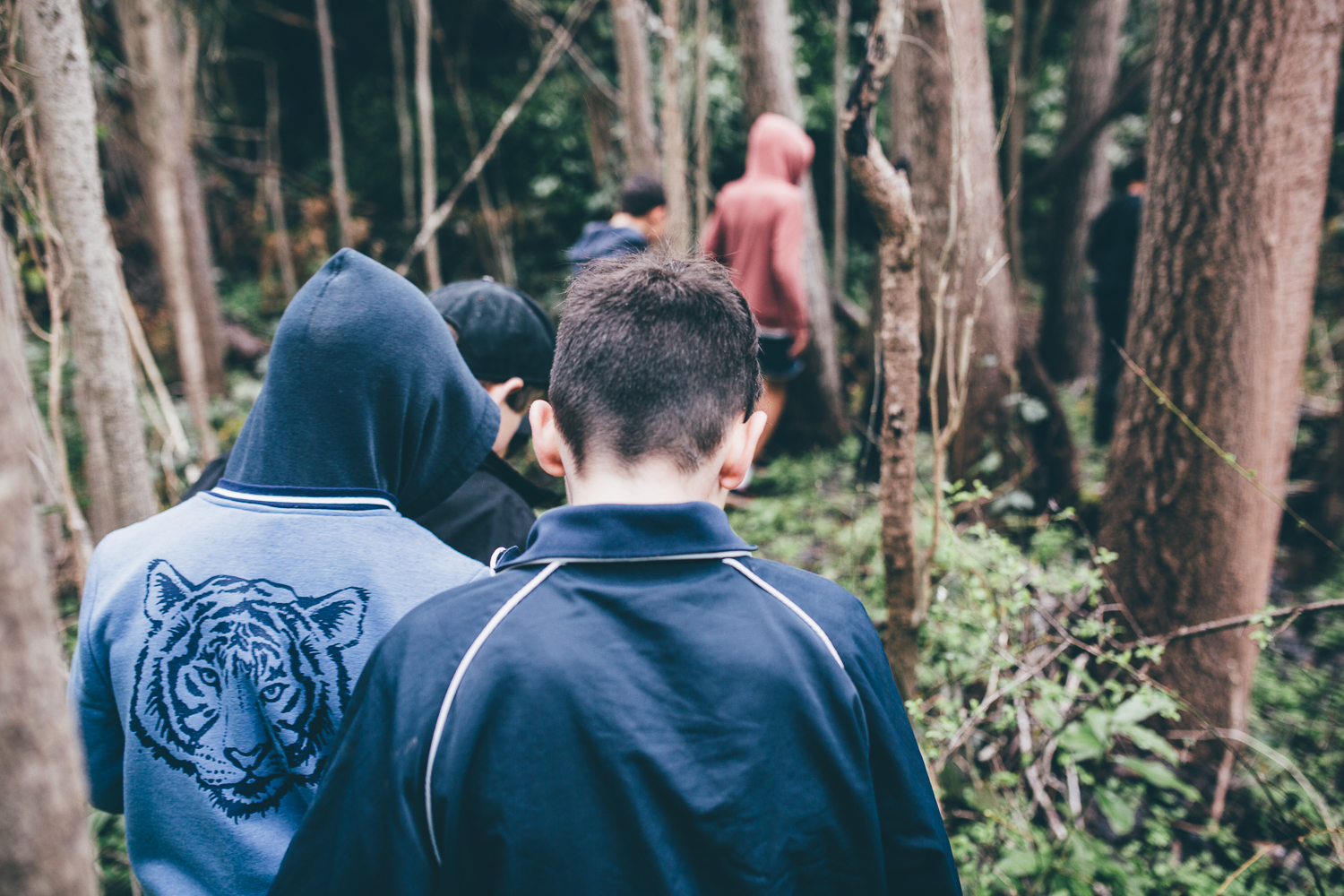
GENTLE WAYS TO BRING NATURE INTO YOUR DAY
- Meet a friend for a slow walk and talk on a local walking trail or around your neighbourhood. Combines movement, fresh air and social connection. These are proven mood boosters.
- Take a cuppa outside, whether in your backyard, on a balcony or at a nearby park.
Watch the leaves move in the breeze and notice which way the clouds are drifting. A change of setting and noticing simple details can help you pause and reset. - Go for a screen-free walk around your neighbourhood, paying close attention to leaves, flowers or the behaviour of birds and other small creatures.
Engaging your senses helps quiet the mind and reduce stress - Head outside for 20 minutes with a book, audiobook or calming music.
Combining something you enjoy with being outdoors can restore focus and energy. - If time allows, try mindful breathing while outdoors. Take a few slow, deep breaths while focusing on natural sounds like birdsong, wind in the trees or even distant traffic.
Supports nervous system regulation and creates a sense of calm. Short breaks like these can make a meaningful difference to your wellbeing and energy.
Remember: Self-care isn’t selfish. It’s the foundation for staying steady and present. Seeking support or sharing how you’re feeling with someone you trust is also a vital part of caring for yourself, which in turn benefits the young people you support.
NATURE ALSO SUPPORTS YOUNG PEOPLE
Spending time outdoors supports the wellbeing of young people across all ages. Nature offers a natural way to help them feel calmer and more settled by providing a break from screens and daily stresses.
For infants and toddlers, fresh air and gentle movement encourage healthy development and sensory awareness. For school-aged children, outdoor time improves focus, lifts mood and promotes physical activity. These are all important for learning and growth.
As for teens, nature offers space for relaxation, independence and time away from pressures, supporting emotional wellbeing. Being outdoors can also strengthen problem-solving skills, social connections and confidence through exploration and self-directed activities.
Regardless of age, time spent outside fosters young people’s connection to the world around them and supports emotional regulation. Encouraging outdoor experiences helps build resilience, balance and calm, making nature a simple but powerful tool for wellbeing.
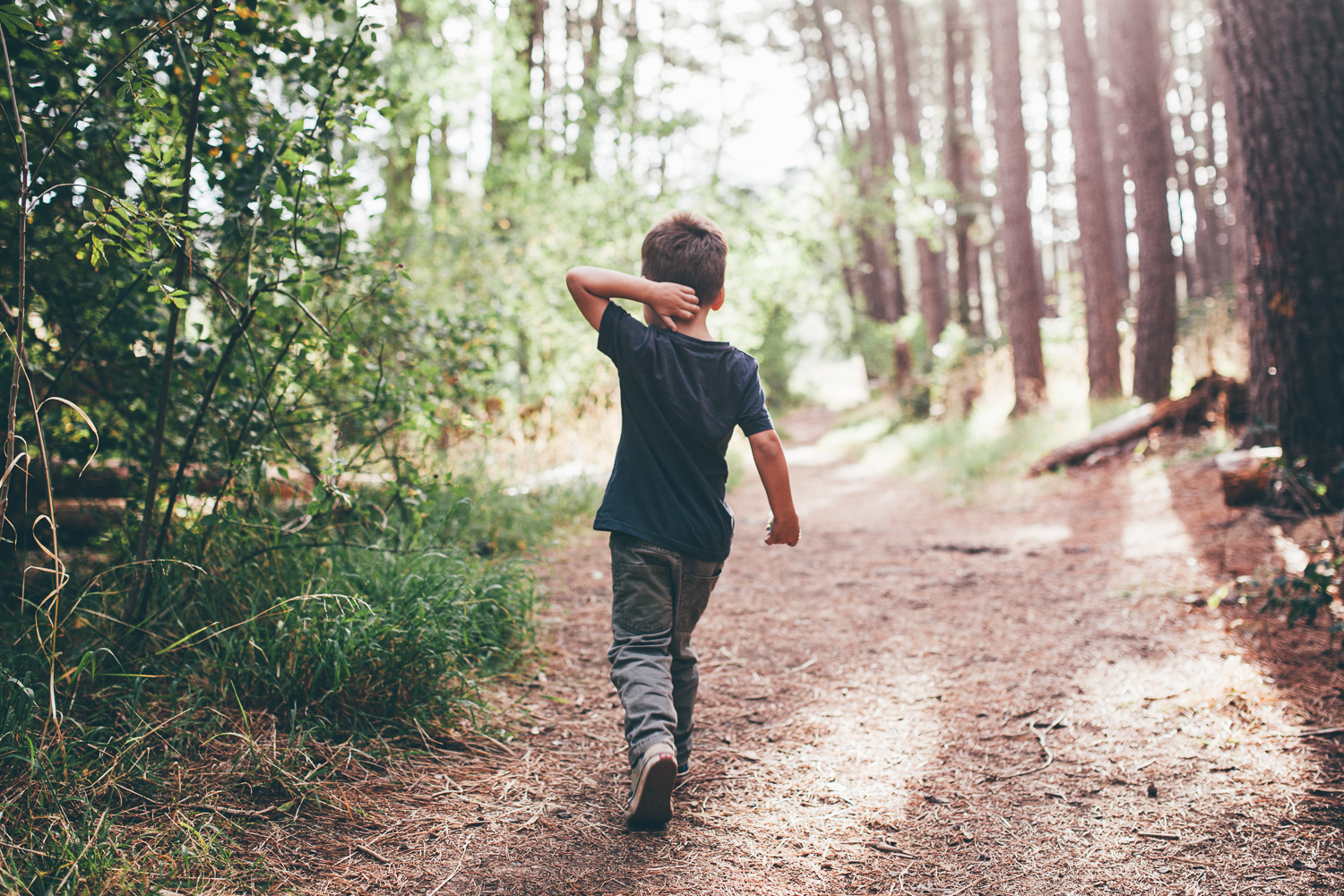
Outdoor activity ideas
- Set up a picnic at your local reserve or in the backyard if space allows.
Sharing a meal outdoors creates relaxed moments and connection. - Encourage schoolwork outside on warmer days.
Fresh air and natural light can boost focus and mood during study time. - Explore a new walking trail and let them lead the way.
New routes encourage curiosity and build confidence in decision-making. - Fly a kite at the park.
Promotes movement and shared joy through simple, active play. - Create chalk drawings or games on paved areas.
Encourages creativity and self-expression with an easy, mess-free approach. - Plant and care for something in a pot or garden bed.
Fosters responsibility and connection to living things over time. - Build an outside cubby using boxes, fabric and household items.
Supports imaginative play and offers a personal space for comfort and creativity.
For more ideas, visit the Nature Play SA website (external site) to download practical lists and creative resources. These resources support all ages through events, school programs and accessible tools.
This article was supplied by Nature Play SA, with photos contributed by the organisation's CEO, Jason Tyndall.
The piece is part of the latest Caring Together newsletter, published to support South Australia's foster and kinship carers.